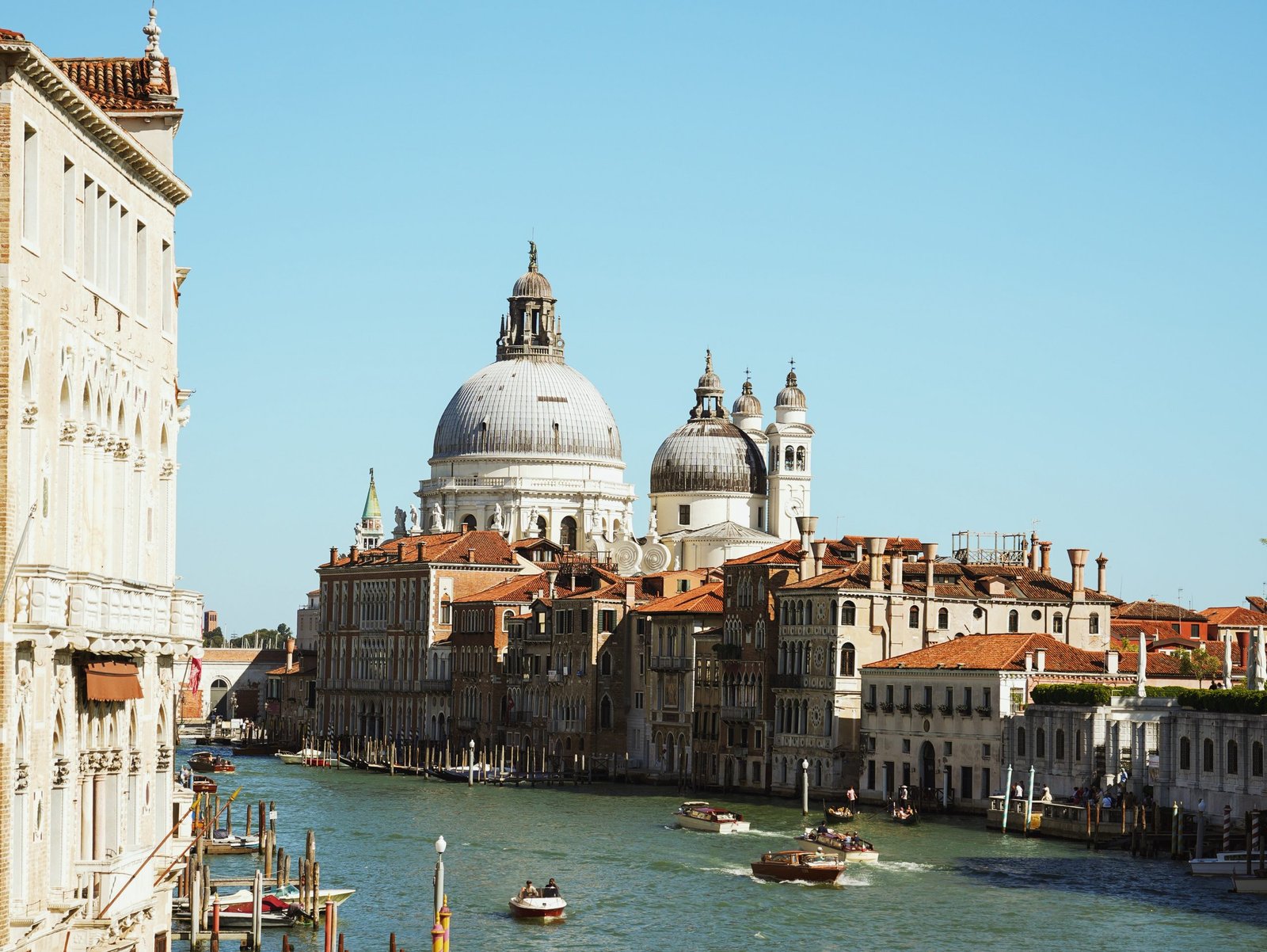
This Venice travel guide brings together everything I’ve learned exploring a city that feels almost impossible to compare with anywhere else.
Built across a lagoon and made up of hundreds of islands connected by bridges, Venice is a city where canals replace roads, boats replace buses and getting slightly lost is often part of the experience.
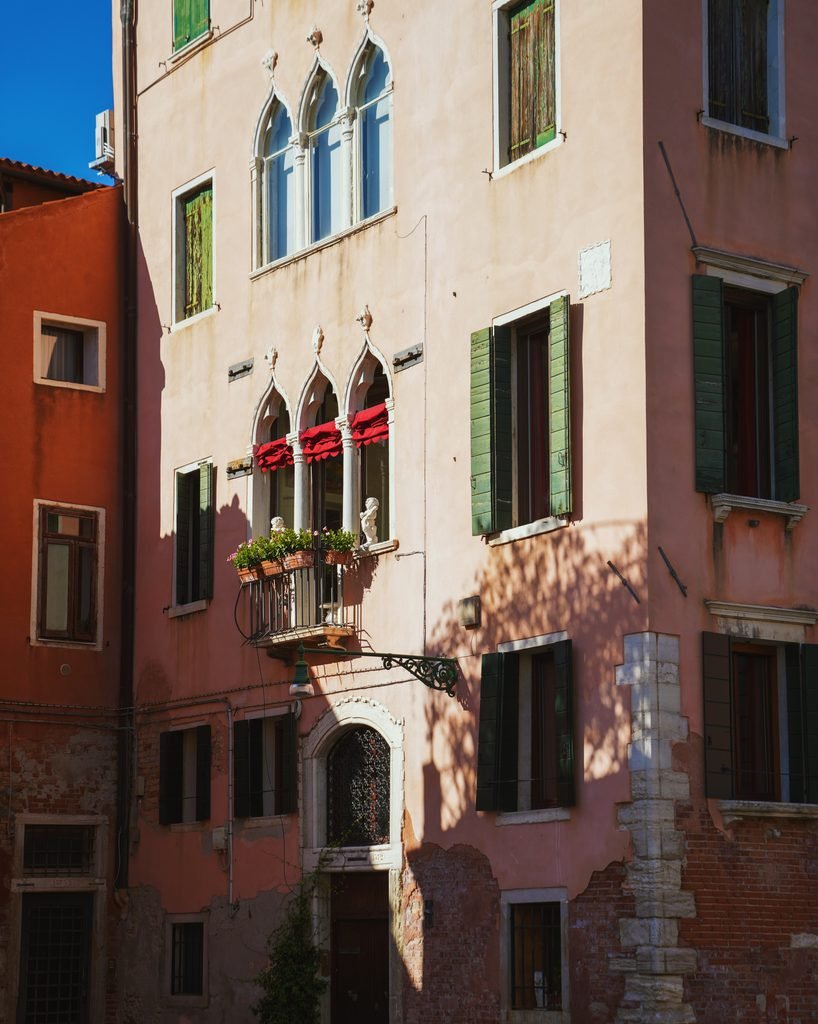
It is also one of the most visited cities in Italy, which means planning your trip well can make a huge difference. While places such as St. Mark’s Square, the Rialto Bridge and the Grand Canal are unmissable, some of my favourite moments in Venice have come from simply walking away from the busiest streets and discovering a quiet campo, a beautiful church or a little bàcaro.
Whether you’re visiting Venice for a weekend, spending a few days exploring northern Italy or planning a longer Italian adventure, this Venice travel guide covers where to stay, what to see, the best things to do, where to eat and some practical tips to help you make the most of your trip.
This post contains affiliate links. If you book through them, I may earn a small commission at no extra cost to you. I only recommend hotels and experiences I would book myself.
Table of Contents
Best things to do in Venice
1. Start in St. Mark’s Square
If it’s your first time in Venice, begin at Piazza San Marco.
St. Mark’s Square is the monumental heart of the city and one of the most recognisable places in Italy. This is where you’ll find St. Mark’s Basilica, the Campanile, the Doge’s Palace and the Clock Tower.
I’d recommend arriving early if you want to experience the square before it becomes particularly busy. Early morning also gives you beautiful light for photography.
Don’t miss: St. Mark’s Basilica and the Campanile for views across Venice.
St. Mark’s Basilica and Campanile tickets
Timed entry tickets help you skip the longest queues. Check the official St. Mark’s Basilica website for the latest visitor rules and dress code.
2. Visit Doge’s Palace
Next door to the basilica is the magnificent Doge’s Palace, or Palazzo Ducale.
The palace was once the residence of the Doge of Venice and the centre of the Venetian Republic. Inside, you’ll find enormous rooms decorated with paintings, ornate ceilings and centuries of Venetian history.
One of the most memorable parts of the visit is crossing the famous Bridge of Sighs, which connects the palace to the former prisons.
I’d recommend allowing around two hours for the visit rather than rushing through it.
Tip: Book ahead if you’re visiting during a busy period. The official museum currently offers several ticket options, including the St. Mark’s Square Museums ticket and special itineraries.
Doge’s Palace & Bridge of Sighs guided tour
3. Take a Vaporetto along the Grand Canal
One of my favourite ways to see Venice is from the water.
The Vaporetto is Venice’s public water bus system and is much more than just a way of getting around. Taking a ride along the Grand Canal gives you a completely different perspective of the city.
If you only have time for one ride, take one of the routes travelling along the Grand Canal and sit outside if you can.
You’ll pass historic palazzos, bridges, churches and some of the city’s most impressive waterfront architecture.
Photography tip: The views are particularly beautiful around sunrise and sunset, although the light can change quickly, so keep your camera ready.
4. Walk across Rialto Bridge
Rialto Bridge is another Venice essential.
The bridge crosses the Grand Canal and connects the San Marco and San Polo areas. The surrounding streets are filled with shops, restaurants and small cafés, while the nearby Rialto Market is worth exploring if you’re interested in seeing a more everyday side of Venice.
The bridge can get extremely busy during the day, so don’t expect a completely quiet photo spot.
Instead, walk beyond the bridge and explore the smaller streets around San Polo.
5. Get lost in Cannaregio
This is where I’d recommend putting the map away.
Cannaregio is one of Venice’s six historic sestieri and has a noticeably different atmosphere from the area around St. Mark’s Square.
You’ll find quieter canals, small bridges, traditional bàcari and streets where you can walk for quite a while without constantly being surrounded by tour groups.
Don’t miss: the Jewish Ghetto, Fondamenta della Misericordia and the smaller canals around the northern part of the district.
6. Explore Dorsoduro
Dorsoduro is another area I always recommend.
It has a more relaxed atmosphere and is particularly interesting if you enjoy art, architecture and beautiful views across the water.
This is where you’ll find the Peggy Guggenheim Collection, Punta della Dogana and the Accademia Gallery, as well as the impressive Basilica di Santa Maria della Salute.
Dorsoduro is Venice’s art district, which makes it the ideal base if museums and galleries are high on your list.
7. Visit the Peggy Guggenheim Collection
If you’re interested in modern art, make time for the Peggy Guggenheim Collection.
The museum is housed in Peggy Guggenheim’s former home on the Grand Canal and contains an important collection of European and American 20th-century art.
The museum is currently open daily from 10am to 6pm, except Tuesdays and 25 December. Online booking is recommended, particularly for popular dates.
8. Take a gondola ride
Yes, it’s touristy.
And yes, I’d still recommend doing it at least once.
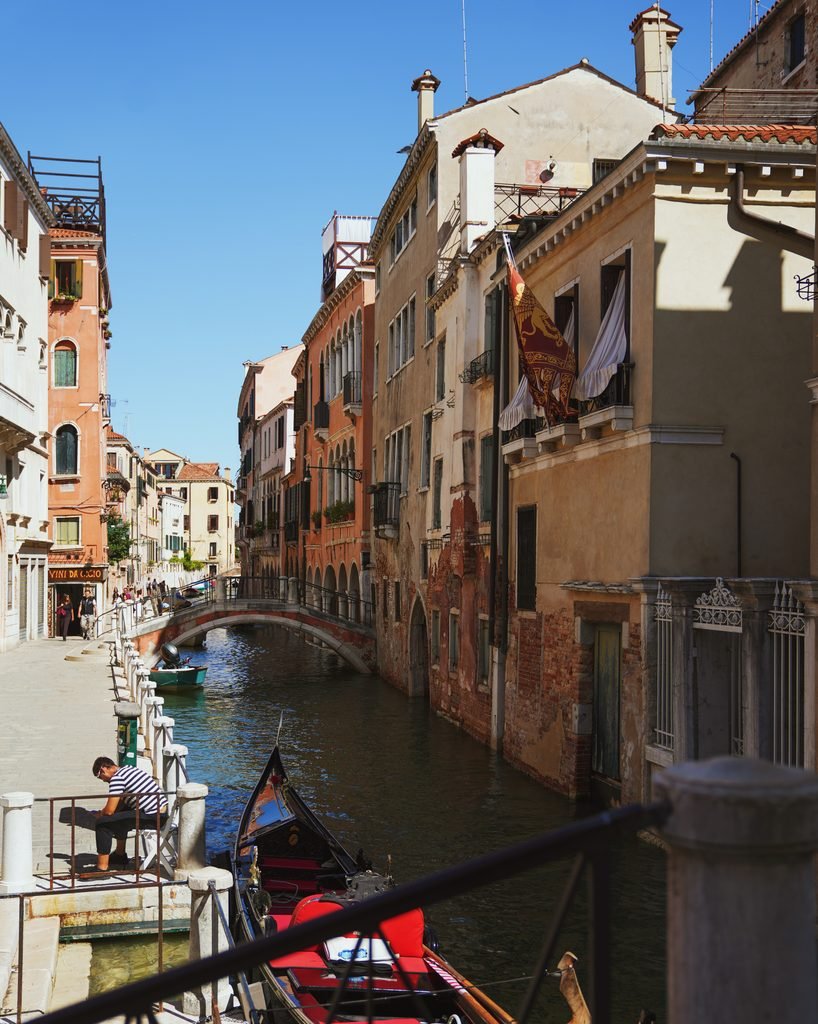
A gondola ride is one of those quintessential Venice experiences that can feel completely different depending on the route and time of day.
For a more atmospheric experience, consider going earlier in the morning or around sunset rather than during the busiest part of the afternoon.
If you’re travelling as a couple, it’s also one of the more memorable ways to experience the city’s smaller canals away from the Grand Canal.
9. Try cicchetti at a traditional bàcaro
One of the best ways to experience Venice is through its food.
Rather than sitting down for a long restaurant meal every time, try a traditional bàcaro and order cicchetti, small Venetian snacks that are often served with a drink.
You can make your own little food tour by stopping at several bàcari throughout the city.
Try different areas rather than staying around St. Mark’s Square. Cannaregio, San Polo and Dorsoduro are great areas to explore.
Look for places filled with locals rather than restaurants with large tourist menus outside.
10. Explore Burano
If you have an extra half or full day, take a trip to Burano.
The island is famous for its brightly coloured houses and traditional lace-making heritage. It feels very different from central Venice and is particularly photogenic.
The easiest way to visit is by Vaporetto, although there are also organised boat tours combining Burano with Murano and sometimes Torcello.
11. Visit Murano
Murano is famous around the world for its glassmaking tradition.
A visit gives you the chance to see Venetian glass being produced and browse the many workshops and boutiques across the island.
If you’re interested in buying glass, don’t feel like you need to purchase something from the first shop you see. Take your time and compare pieces.
Murano glass-making experience
12. Watch the sunset over Venice
Venice is particularly beautiful towards the end of the day.
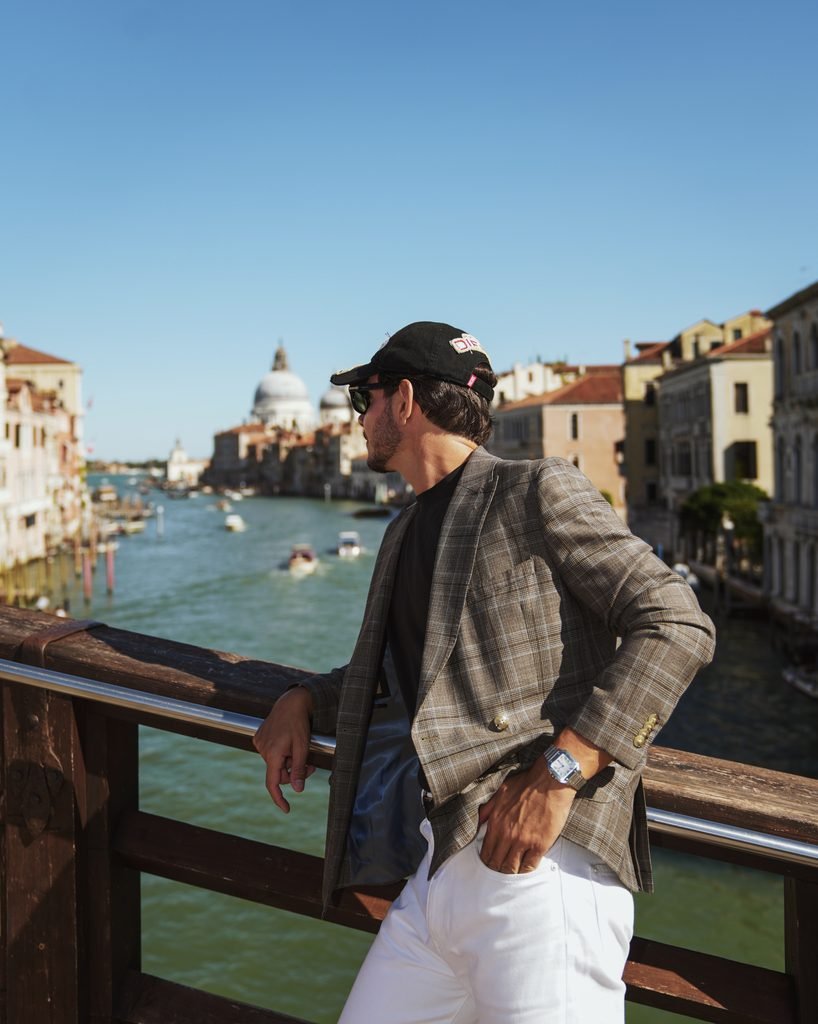
Good spots include the Accademia Bridge, the Zattere waterfront in Dorsoduro, Punta della Dogana and the bell tower of San Giorgio Maggiore across the water from St. Mark’s. Find one, settle in and watch the city change as the light disappears.
The sunset is also one of the best times for photography because the warm light reflects beautifully across the water and historic buildings.
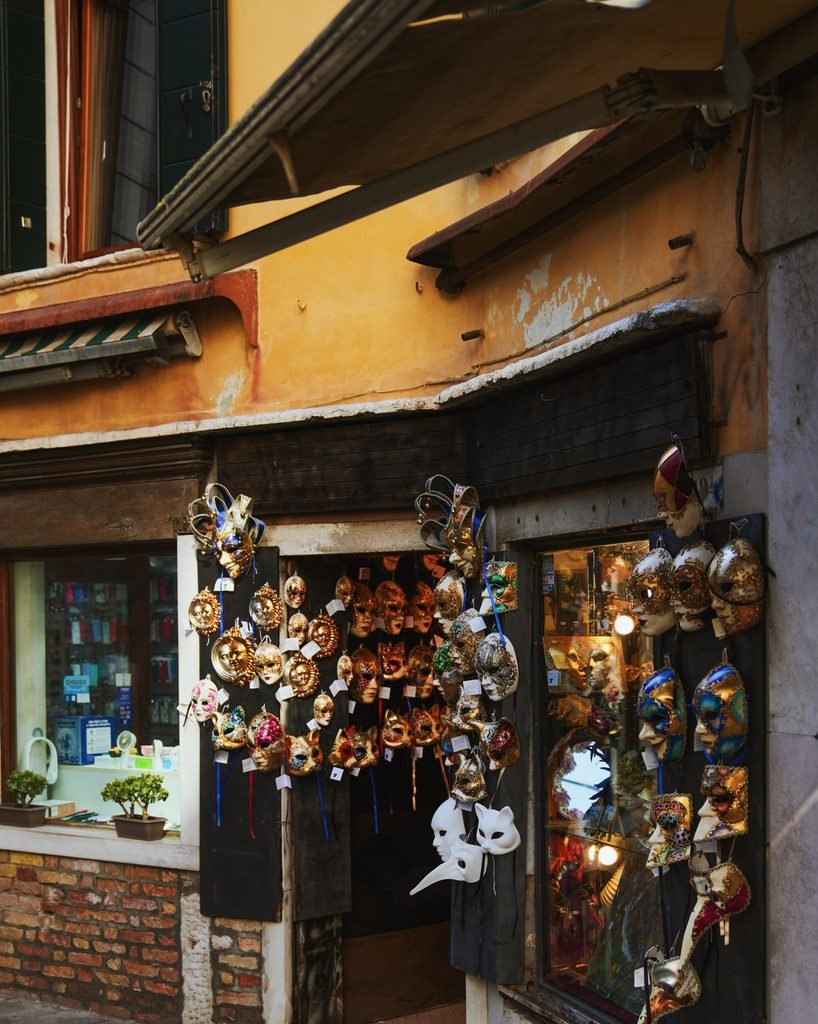
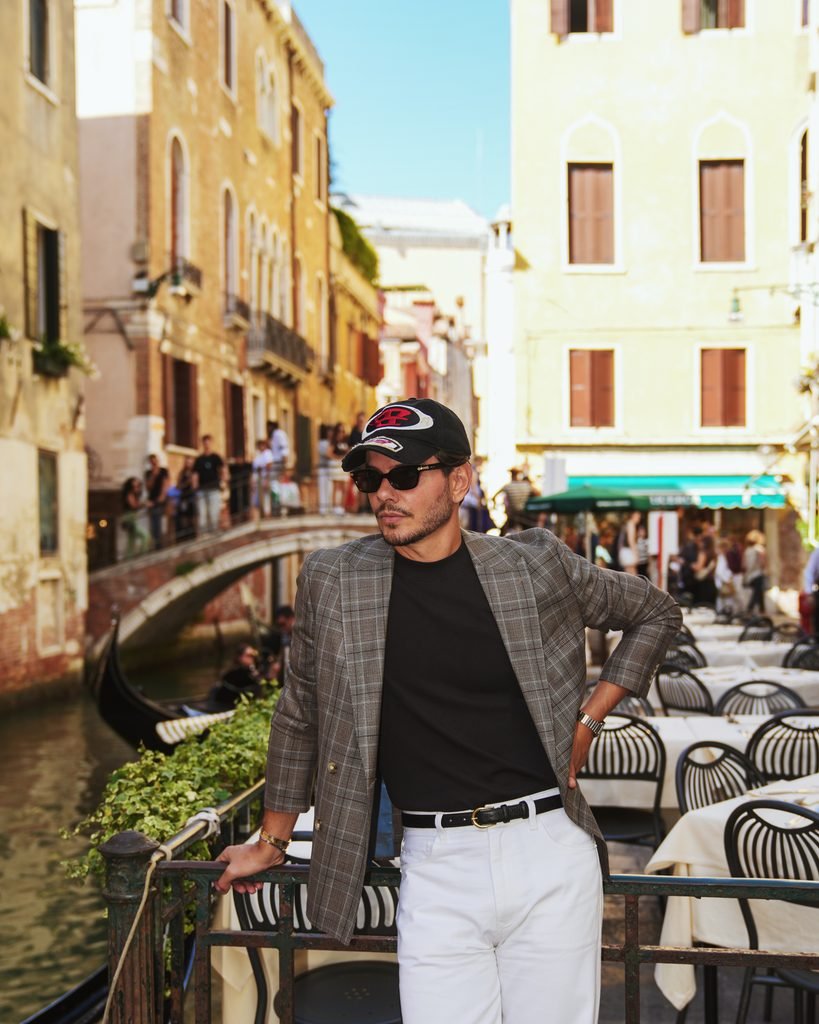
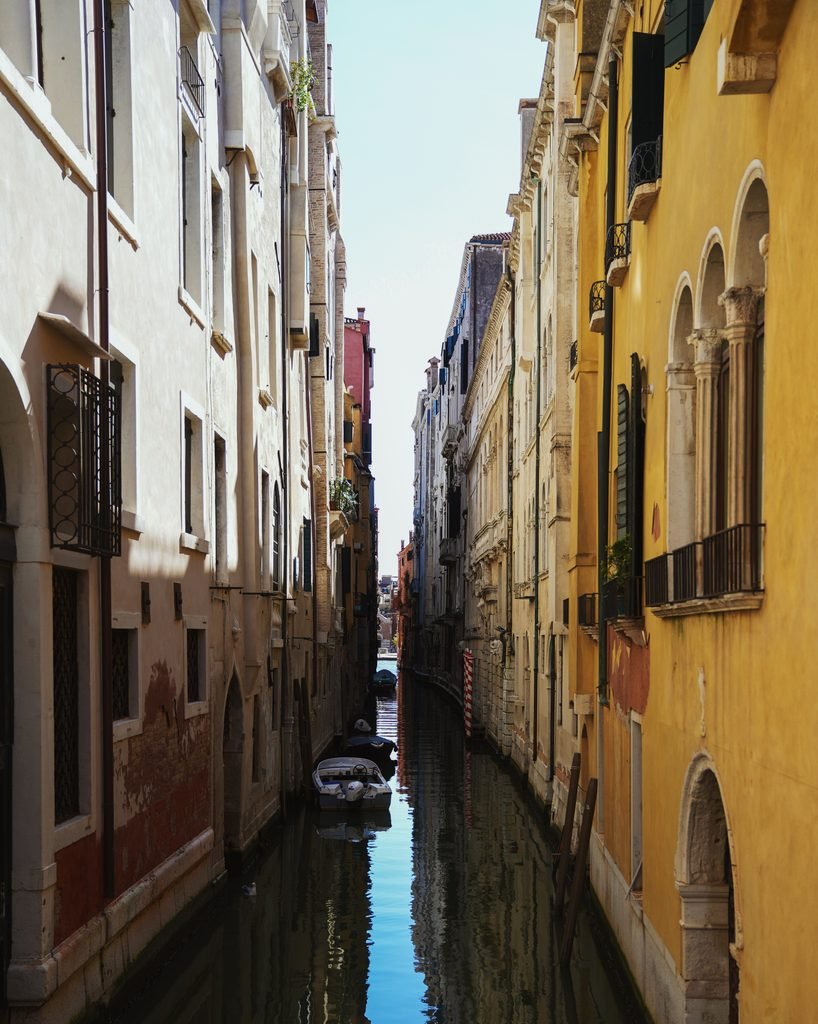
The best neighbourhoods to stay in Venice
Choosing where to stay can completely change your experience.
Use the map below to compare hotels and live prices across every neighbourhood in Venice.
San Marco
Best for: first-time visitors and being close to the main sights.
Staying around San Marco means you’ll be within walking distance of St. Mark’s Square, Doge’s Palace, the Grand Canal and many of Venice’s most famous attractions.
The downside is that it can feel very busy during the day.
The St. Regis Venice. A contemporary five star hotel on the Grand Canal, a few minutes’ walk from St. Mark’s Square, with a canal side terrace facing Santa Maria della Salute. Best for: stylish luxury and sunset cocktails on the water. Price: €€€€
Danieli, Venezia, A Four Seasons Hotel. A legendary Gothic palazzo on the Riva degli Schiavoni, just around the corner from St. Mark’s Square in neighbouring Castello, with sweeping views across the lagoon. Best for: classic grand hotel glamour in the heart of the city. Price: €€€€
Dorsoduro
Best for: art, restaurants, a more relaxed atmosphere and beautiful walks.
Dorsoduro is one of my favourite areas for experiencing a slightly quieter side of Venice while still being close enough to walk to the major sights.
Hotel Galleria, Venezia Centro Storico. A small, charming hotel right beside the Accademia Bridge, with a handful of rooms overlooking the Grand Canal. Best for: an unbeatable location on a smaller budget. Price: €€
Cannaregio
Best for: local atmosphere, restaurants and quieter evenings.
Cannaregio is a great option if you want to stay away from the busiest tourist areas but still have easy access to the centre.
The Venice Venice Hotel. Bold, contemporary design inside a historic Grand Canal palazzo by the Rialto Bridge, with art filled interiors and a creative atmosphere. Best for: design lovers who want something different from classic Venetian luxury. Price: €€€€
Ai Mori d’Oriente Hotel. A boutique hotel on a quiet Cannaregio canal, with Moorish inspired interiors and an easy walk to the Fondamenta della Misericordia. Best for: local atmosphere and good value away from the crowds. Price: €€
On the Grand Canal
Best for: luxury hotels and iconic Venice views.
If your priority is waking up to views of the Grand Canal and experiencing Venice from a beautiful historic hotel, this is the area to consider.
The Gritti Palace, a Luxury Collection Hotel, Venice. A former doge’s residence dating back to the 15th century, with a famous Grand Canal terrace facing Santa Maria della Salute. Best for: old world Venetian elegance and waterfront dining. Price: €€€€
Palazzo Venart Luxury Hotel. An intimate palazzo in Santa Croce with a private garden on the Grand Canal and Glam, the Michelin starred restaurant by Enrico Bartolini. Best for: romantic boutique luxury and fine dining. Price: €€€€
Best activities to book in Venice
If you want to pre-book experiences before your trip, these are some of the activities I’d consider:
- Gondola ride through Venice’s canals
- Doge’s Palace guided tour
- St. Mark’s Basilica visit
- Murano and Burano boat tour
- Venetian food and cicchetti tour
- Venetian mask-making workshop
- Traditional glass-making experience in Murano
- Walking tour of Venice
- Photography tour
- Sunset boat tour
- La Fenice opera house experience
Booking a few key experiences in advance can save time, particularly if you’re visiting during a busy period. For major attractions such as St. Mark’s Basilica and Doge’s Palace, check the official booking information before your trip.
How many days do you need in Venice?
One day in Venice
One day is enough to see the major highlights, but you’ll have to move quickly.
I’d focus on:
- St. Mark’s Square
- St. Mark’s Basilica
- Doge’s Palace
- Rialto Bridge
- Grand Canal
- A Vaporetto ride
- A short walk through Cannaregio or Dorsoduro
Two days in Venice
Two days gives you a much better experience.
You can see the major landmarks on day one and spend day two exploring Dorsoduro, Cannaregio, local restaurants and the smaller canals.
Three days in Venice
Three days is ideal if you want to slow down.
You can dedicate half or a full day to Murano and Burano, spend more time visiting museums and still have plenty of time to wander without an itinerary.
My suggested 3-day Venice itinerary
Day 1: Classic Venice
Start early at St. Mark’s Square.
Visit St. Mark’s Basilica and Doge’s Palace before walking towards Rialto Bridge.
Spend the afternoon exploring the streets around San Polo and the Rialto Market before taking a Vaporetto along the Grand Canal.
Finish the day with cicchetti and dinner.
Day 2: Art & hidden Venice
Start in Dorsoduro.
Visit the Peggy Guggenheim Collection and walk towards Santa Maria della Salute.
Spend the afternoon wandering through Dorsoduro before crossing towards San Marco.
In the evening, take a gondola ride or simply walk around the quieter canals once the day-trippers have left.
Day 3: The islands
Take a Vaporetto or organised boat tour to Murano and Burano.
Spend the morning exploring Murano’s glassmaking traditions before continuing to Burano for lunch and some time exploring the colourful streets.
If you have time, consider adding Torcello to your itinerary.
Murano, Burano and Torcello are the three main lagoon islands, and all three can be combined in a single day by Vaporetto.
When is the best time to visit Venice?
Venice is beautiful throughout the year, but the experience can be very different depending on the season.
Spring: Pleasant temperatures and longer days, although popular dates can be busy.
Summer: Warm and lively, but expect larger crowds and higher demand for accommodation.
Autumn: One of my favourite periods. The temperatures can still be pleasant, the light is beautiful and the city can feel more atmospheric.
Winter: Much quieter and atmospheric, although some attractions have shorter opening hours and the weather can be colder and wetter. From October to January you may also see acqua alta, the seasonal high tides that can flood lower areas such as St. Mark’s Square, so pack waterproof shoes.
If your priority is experiencing Venice with fewer crowds, consider travelling outside the peak summer period and starting your sightseeing early in the morning.
How to get around Venice
The best way to explore central Venice is on foot.
Seriously, wear comfortable shoes and walk.
You’ll constantly come across small squares, bridges, churches, canals and streets that aren’t necessarily on your itinerary.
For longer distances, use the Vaporetto.
Private water taxis are another option if you’re travelling with luggage, arriving at a hotel directly from the airport or looking for a more comfortable transfer.
Don’t rely entirely on Google Maps either. Venice is much easier to understand once you stop trying to take the most direct route.
Sometimes the “wrong” street is the best one.
Venice travel guide: my best tips
Book the main attractions in advance
For popular attractions, especially St. Mark’s Basilica and Doge’s Palace, check official ticket availability before travelling.
Get up early
This is probably my number-one Venice tip.
The city feels completely different early in the morning.
You’ll have quieter streets, beautiful light and a much better chance of seeing places like St. Mark’s Square without the biggest crowds.
Stay overnight
If you can, stay in Venice rather than visiting only as a day trip.
One of the best parts of Venice is seeing the city after many day visitors have left.
Don’t spend your entire trip around San Marco
St. Mark’s Square is spectacular, but Venice is much more than its most famous landmarks.
Make time for Cannaregio, Dorsoduro, San Polo and Castello.
Wear comfortable shoes
You’ll be walking over bridges and uneven streets all day.
Leave the uncomfortable shoes at the hotel.
Carry some cash
Although cards are widely accepted, having some cash can still be useful for smaller cafés, bàcari and market stalls.
Don’t rush
Venice isn’t a city I’d recommend ticking off as quickly as possible.
Leave gaps in your itinerary.
Some of the best moments happen when you have nowhere you need to be.
Venice Access Fee: what you need to know
Venice has introduced an experimental access contribution for certain days and times when entering the historic city.
For 2026, the system applied on 60 selected days between April and July, generally between 8:30am and 4pm. The fee was €5 for visitors who paid sufficiently in advance and €10 when paid closer to the visit date.
The 2026 trial period ended on 26 July, so if you’re travelling later in the year, check the official Comune di Venezia website for the rules applicable to your travel dates rather than relying on older travel guides.
Staying overnight? Guests staying in hotels within the municipality of Venice are exempt from the fee, but you still need to register for the exemption before you arrive. It’s one more reason to stay the night rather than visiting on a day trip.
Book your access fee or register your exemption on the official Venice Access Fee website.
Venice travel guide FAQs
Is Venice expensive to visit?
Venice can be expensive, especially around St. Mark’s Square and in peak season. Keep costs down by eating cicchetti at bàcari, using a Vaporetto pass instead of water taxis and staying in quieter areas such as Cannaregio.
How long should you stay in Venice?
Two to three days is ideal. One day covers the main highlights, but staying at least two nights lets you experience the city early in the morning and in the evening, when it is at its most beautiful.
How do you get from Venice airport to the city?
From Marco Polo Airport you can take the Alilaguna water bus, a bus to Piazzale Roma or a private water taxi. The water taxi is the most expensive option, but it can drop you directly at many hotels on the canals.
Do you have to pay to enter Venice?
Only on certain days. In 2026 the Venice Access Fee applied to day visitors on 60 selected days between April and July. Overnight hotel guests are exempt but must register, so check the official website for your travel dates.
What is the best month to visit Venice?
April, May, September and October offer a great balance of pleasant weather and fewer crowds than the peak summer months. Autumn is one of my favourite times, with softer light and a more atmospheric feel.
Is Venice worth visiting?
Absolutely.
But I think Venice is best when you don’t try to experience it entirely through a checklist.
See St. Mark’s Square. Walk across Rialto Bridge. Take the gondola. Visit Doge’s Palace. Go to Murano and Burano.
But then put your phone away for an hour.
Walk down a street you’ve never heard of. Stop for an espresso. Find a little bàcaro. Sit beside a canal. Watch the boats pass.
Venice is one of those cities where the moments you didn’t plan can end up being the ones you remember most.
And that, more than anything, is why I keep coming back.
Quick Venice travel checklist
Must-see: St. Mark’s Square, St. Mark’s Basilica, Doge’s Palace, Rialto Bridge
Best areas to explore: Cannaregio, Dorsoduro, San Polo, Castello
Best experiences: Gondola ride, Vaporetto ride, cicchetti tour, Murano & Burano, Venetian mask-making
Best museums: Peggy Guggenheim Collection, Doge’s Palace, Gallerie dell’Accademia
Best for luxury hotels: San Marco and the Grand Canal
Best for atmosphere: Cannaregio and Dorsoduro
Ideal stay: 2 to 3 nights
My biggest tip: Get up early, walk everywhere and leave time to get lost.